
Understanding the psychological triggers behind gambling behavior
The Role of Reward Mechanisms
One of the primary psychological triggers behind gambling behavior is the brain’s reward system. When individuals engage in gambling, they experience a rush of dopamine, the neurotransmitter linked to pleasure and reward. This release of dopamine creates a sense of excitement and reinforces the behavior, making players want to return for more. In this context, exploring the best online casino canada can offer players insights into creating a thrilling and enjoyable experience. The anticipation of winning can also amplify this effect, as the possibility of a jackpot creates a feeling of euphoria.
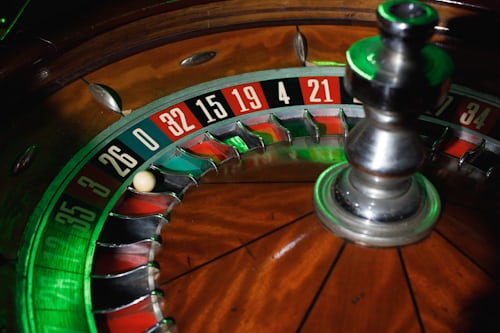
This desire for a reward can overshadow the potential risks and consequences associated with gambling. Players may become fixated on the thrill of winning, often disregarding the reality of losses. This cycle can lead to problem gambling, where the need for that next dopamine rush drives continued engagement despite negative outcomes.
The Illusion of Control
Many gamblers fall prey to the illusion of control, believing that they can influence the outcome of games based on their strategies or skills. This cognitive bias often leads individuals to gamble more frequently, as they convince themselves that they have a better chance of winning than they actually do. This belief is particularly prevalent in games that involve skill, such as poker or sports betting.
The illusion of control can be further exacerbated by near misses, where players come close to winning but ultimately do not succeed. These experiences can mislead individuals into thinking they are on the verge of a win, encouraging them to keep gambling in hopes of finally achieving that elusive victory.
The Social Aspect of Gambling
Gambling is not merely an individual activity; it is often a social experience. Many people are drawn to casinos or online gambling platforms to connect with others and enjoy a shared excitement. This social aspect can amplify the psychological triggers, as players may feel pressured to continue gambling to maintain social bonds or to avoid feeling left out.
Additionally, group dynamics can contribute to reckless gambling behavior. When individuals are in a group setting, they may take larger risks than they would alone, as the collective atmosphere can create a sense of invincibility. This social influence can lead to prolonged gambling sessions and increased spending, further entrenching individuals in gambling habits.
The Impact of Marketing and Environment
The environment in which gambling takes place plays a significant role in shaping behavior. Casinos and online platforms are designed to be alluring and immersive, often using bright lights, sounds, and enticing offers to draw players in. These marketing strategies capitalize on psychological triggers, enticing individuals to engage in gambling activities.
Moreover, promotions such as bonuses and loyalty rewards can create a sense of urgency and excitement, pushing individuals to gamble more than they initially planned. The allure of a potential reward can overshadow rational decision-making, leading individuals to chase losses or overspend in pursuit of bonuses.
Enhancing Your Gambling Experience Responsibly
For those looking to navigate the world of gambling, understanding these psychological triggers is essential. Being aware of how your mind works can empower you to make informed choices about when and how to engage in gambling. Utilizing strategies such as setting limits on spending and taking breaks can help maintain a healthy relationship with gambling.
As you explore your options, consider reputable resources to guide your experience. Our website provides comprehensive reviews and insights into safe and enjoyable gambling environments, helping you make informed decisions while ensuring an enjoyable experience. Prioritize responsible gambling by staying informed and aware of the psychological triggers that can influence your behavior.