
Sarah Jenkins, a 32-year-old marketing manager from London, is a digital-savvy consumer who spends around £500 on online goods every month. For her, it’s not just about convenience – it’s about having access to a world of digital experiences at her fingertips. But she’s not alone. Many Brits are adopting digital-first spending habits, and experts predict this trend will only gain momentum over the summer.
The Rise of Digital-First Consumers
When it comes to shopping, a staggering 71% of British consumers now prefer to browse online, with 44% citing the ease of online transactions as the main reason. As more merchants adapt to meet their needs, this shift towards digital-first spending is likely to continue. Take high-street brands, for instance, which are now offering exclusive digital discounts and promotions to keep customers coming back for more.
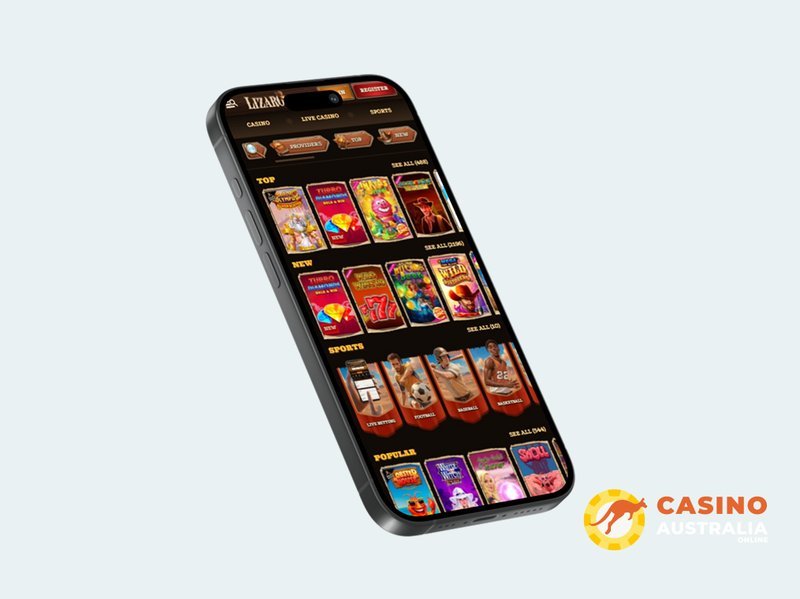
Digital Goods on the Rise
Brits are parting with their cash for digital goods like never before, with the average person spending around £300 per year on things like:
- Music and video streaming services
- Online courses and e-learning platforms
- Virtual event tickets and online experiences
- Mobile games and apps
This trend shows no signs of slowing down, as more and more people seek out digital channels for entertainment, education, and social interaction. Online gaming platforms, for example, have seen a significant boost in popularity over the past year, with some enthusiasts even splurging on custom gaming furniture from specialists like shoeboxyarm.co.uk to enhance their gaming experience.
The Benefits of Digital Spending
For some, digital spending might seem like a threat to traditional retail, but the reality is that many consumers are simply adapting to changing circumstances. By embracing digital-first spending, businesses can reach a wider audience, cut costs, and increase efficiency. For consumers like Jenkins, digital spending offers flexibility, convenience, and a wider range of options – it’s a game-changer.
Summer Spending Frenzy
As the summer months approach, British consumers are likely to continue their digital spending spree. From online shopping to virtual events and experiences, the possibilities are endless. As a result, businesses would do well to adapt to this new landscape, offering digital products and services that cater to the evolving needs of their customers. For Sarah Jenkins and millions like her, digital spending is no longer a novelty – it’s a way of life.